Homegrown Food: Solving Food Deserts in Rural SC
Food Access, Rural Communities, Home Gardening
What Is a Food Desert? How Homegrown Food in Rural South Carolina Benefits You and Your Neighbors
If you live in rural South Carolina, you probably know the feeling of planning your day around a long grocery run. For many families, getting fresh fruits and vegetables is not as simple as swinging by the store on the way home. That daily reality is at the heart of what experts call a “food desert”—and it is exactly where homegrown food can make a powerful difference.
What the USDA Means by a “Food Desert”
The term “food desert” might sound dramatic, but it has a clear definition. According to the United States Department of Agriculture (USDA), a food desert is a low-income census tract where at least 33% of residents (or at least 500 people) live more than 10 miles from the nearest supermarket or full-service grocery store in rural areas. In other words, a lot of people have to travel a long way just to reach a store that sells fresh, nutritious food.
In these communities, food insecurity is not only about money. It is also a physical access problem —how far you have to drive, whether you have a reliable car, and how often you can make that trip to restock fresh items before they spoil.
Grocery Stores vs. Gas Stations and Convenience Stores
The USDA definition focuses on supermarkets and full-service grocery stores for a reason. These are the places that usually carry a wide variety of fresh fruits, vegetables, lean meats, dairy, and whole grains. You can compare prices, read labels, and build balanced meals from the options on the shelves.
Many rural South Carolina communities do have gas stations or small convenience stores nearby, but these shops are typically packed with:
High-calorie, highly processed snack foods
Sugary drinks and energy drinks
Shelf-stable items with long ingredient lists and lots of sodium
Fresh produce, if it is there at all, might be limited to a few tired apples or a single small cooler. So even if you have a store close by, it may not offer the nutrient-dense foods your family needs to stay healthy.
Why Rural South Carolina Faces Unique Food Access Challenges
Rural South Carolina has beautiful farmland, forests, and wide-open spaces—but those same open spaces can mean long drives to major grocery chains. Many small towns lost their local grocery stores years ago, leaving residents to depend on distant supermarkets in larger cities and county seats.
On top of distance, there is often limited public transportation. If you do not own a car, or if your vehicle is unreliable, a simple grocery trip can turn into a major challenge. Add in pockets of deep poverty, and you have families who must stretch every dollar while also stretching every mile they drive. That combination makes food insecurity in rural areas especially serious.
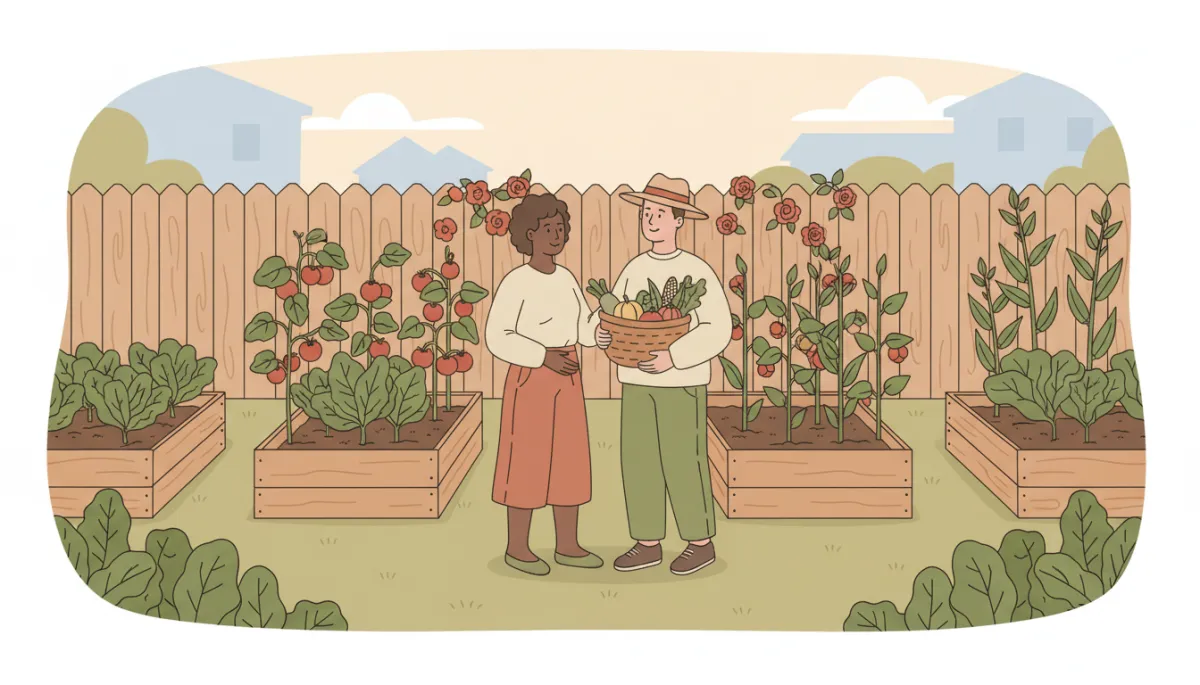
One healthy backyard garden can become a quiet hub of fresh food and friendship.
How Growing Your Own Food Helps You
This is where a simple backyard garden can change the picture. Growing even a small patch of vegetables can:
Lower your grocery bills during harvest months by replacing store-bought produce with homegrown tomatoes, beans, okra, greens, or peppers.
Preserve maximum vitamins by picking food at peak ripeness and eating it soon after. Nutrients like vitamin C and some B vitamins start to fade as produce travels and sits in storage.
Reduce long-distance grocery trips by keeping staples like salad greens, herbs, and seasonal vegetables just a few steps from your back door. That means less gas, less time on the road, and less stress when supply chains get shaky.
Even a few containers on a porch or a shared plot with a neighbor can make your meals fresher and your budget a little lighter.
How Backyard Gardens Strengthen Your Whole Community
Homegrown food does more than fill your own plate—it can ripple out to benefit your neighbors, too. In many rural South Carolina towns, gardeners:
Share extra produce with friends, church members, and elders on fixed incomes. A bag of fresh collards or a basket of tomatoes can mean a lot to someone who cannot drive far.
Exchange seeds and knowledge, passing along tips on when to plant, how to deal with heat and pests, and which varieties do best in sandy South Carolina soil.
Set up informal crop stands at the end of the driveway or donate extra harvest to local food pantries and community kitchens, bringing fresh produce into places that often rely on canned goods.
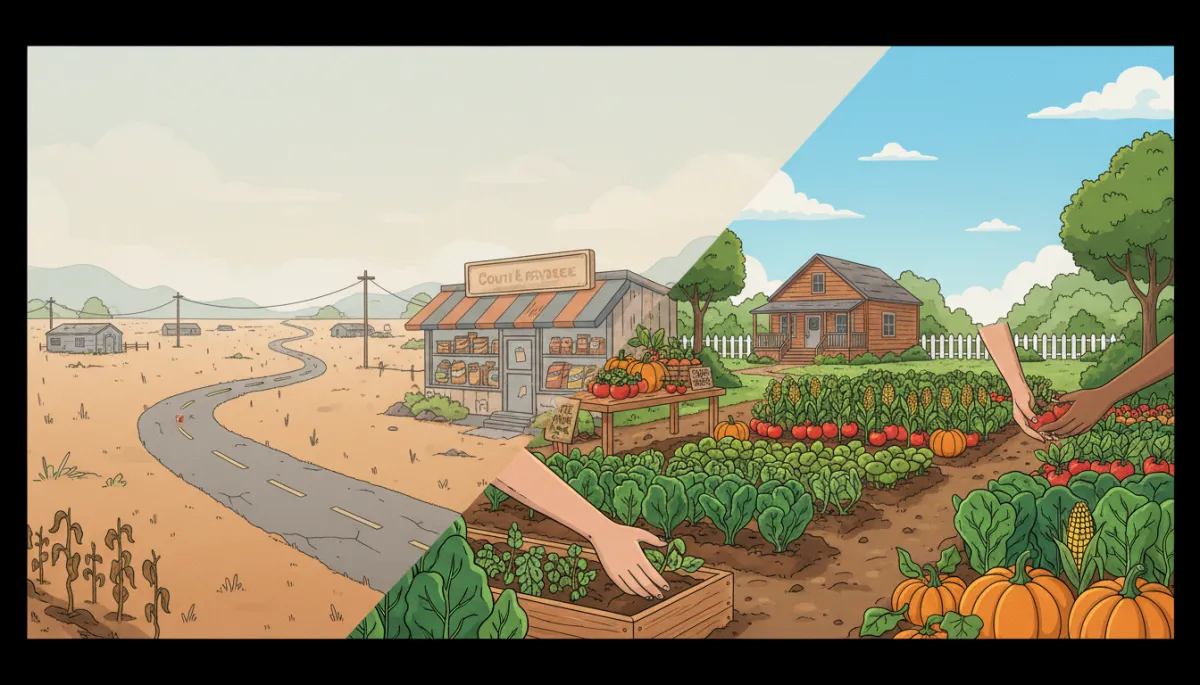
When more households grow food, a so-called “food desert” begins to look less like a barren landscape and more like a patchwork of small, nourishing oases. Your garden becomes part of a quiet, powerful movement to bring fresh, nutrient-dense food closer to home for everyone around you.
